


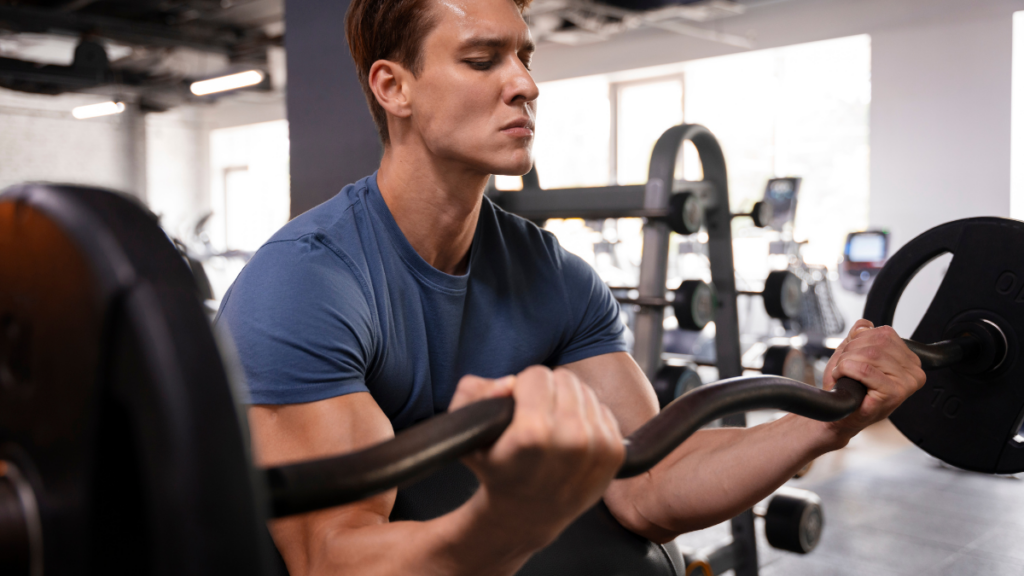
Training breaks down muscles, which is why recovery is essential to build them back stronger. Athletes need to view recovery as an integral part of training, equally as important as the workouts.
“It’s very important to understand that you don’t actually become fitter and stronger in the gym,” said Adam Ross, RD, CISSN. “You become more fit and stronger when you recover from the gym.”
Even though gains happen during recovery, that doesn’t mean cutting intensity down. “I don’t recommend that you stop training hard,” he added. Instead, focus on muscle recovery after a workout to support the body and repair those small muscle tears that build stronger muscles.
“But recovery and rest are just as important as the work. It’s actually a large part of the work,” Ross with A.R. Nutrition said. “I had a hockey coach tell me back in the day that ‘when you’re not getting better, somebody else is,’ and I took that to heart, and it stuck with me forever. But it wasn’t until a few years ago, when I was out on one of my nightly walks, that I realized rest and recovery are a major part of ‘getting better.’”
Athletes working hard to run faster, jump higher, or feel stronger at practice need to have a solid recovery. Tips like hydration and sleep help speed up recovery to perform better during the next workout. But much more goes into muscle recovery.
Follow these simple and effective muscle recovery tips to get your body in the best shape.
Keep Hydration Consistent
Water is essential for transporting nutrients and removing waste products built up during exercise. Being slightly dehydrated can slow down muscle recovery.
“There’s a reason professional athletes weigh in before and after training. They’re tracking fluid loss because hydration drives almost every recovery process in the body,” Coach Ross said. “When you train hard, you accumulate metabolic byproducts and cellular debris (waste). Hydration supports renal clearance, lymphatic flow, and nutrient delivery back into damaged tissue.”
Don’t rely only on thirst — especially in cold weather when you may not feel as thirsty. Aim to drink 16 to 24 ounces of fluid for every pound lost during training.
Also, add electrolytes to restore hydration faster. Coach Ross recommends aiming for about 500-1000mg of sodium during or after hard training, depending on the intensity, and consider taking a magnesium glycinate supplement (200-400 mg) at night to help speed up the process.
Refuel Within 30–60 Minutes
After intense exercise, your muscles need fuel to repair. This includes carbohydrates and protein.
“Protein provides the amino acids that rebuild damaged fibers, trigger muscle protein synthesis, and reduce muscle breakdown,” said Ross.
The American College of Sports Medicine recommends about 0.25 to 0.3 grams per kilogram of body weight within 0 to 2 hours after training. For most people, that’s 20 to 40 grams of high-quality protein.
Simple recovery options include:
- Chocolate milk
- Greek yogurt
- Turkey sandwich
- eggs
- Smoothie with milk and banana
- Red meat, or chicken
Skipping this window can lead to prolonged soreness and slower progress. Recovery won’t begin until athletes refuel.
Prioritize Sleep
Sleep is the most powerful recovery tool athletes have. During sleep, growth hormone is released, and muscle tissues are repaired. The nervous system resets, and the body is able to be refreshed.
Avoid late-night scrolling and aim for 8-10 hours of sleep each night.
Active Recovery
Recovery doesn’t always mean complete inactivity. Active recovery, which consists of light movement the day after a hard workout, improves circulation and helps muscles recover faster.
This includes an easy jog or walk, light cycling, or swimming. Mobility work and dynamic stretching are also great ideas.
Focus on the hips, glutes, and the core if these are weak. Two short strength sessions per week can improve muscle balance and resilience. Just avoid back-to-back intense workouts.
Manage Stress
Recovery isn’t just physical — it’s mental. School stress, social pressure, and packed schedules increase overall anxiety and fatigue. High stress levels can slow muscle repair and affect sleep quality. Recovery tips to help manage stress include deep breathing, mindful meditation, listening to music, and journaling.
Recovery tools like massagers, foam rollers, compression socks, and cold plunges are all great for aiding in recovery.
Supplements
BCAAs can help with recovery, but only if used correctly. “he research does show moderate evidence for reducing DOMS when BCAAs are taken before training, especially in trained individuals,” Ross said. “Effective dosing can be up to 255 mg per kilogram per day (which is a lot), and timing matters more than you may have realized.”
However, BCAAs are unnecessary after a workout if the athletes have sufficient protein.
“Taken pre-workout, they can activate pathways like mTOR and AMPK and help modulate inflammatory responses.”
Another great recovery tip is to welcome inflammation after lifting heavy because this is the response needed to have the body adapt. Consume antioxidants later in the day, not directly after a workout.