


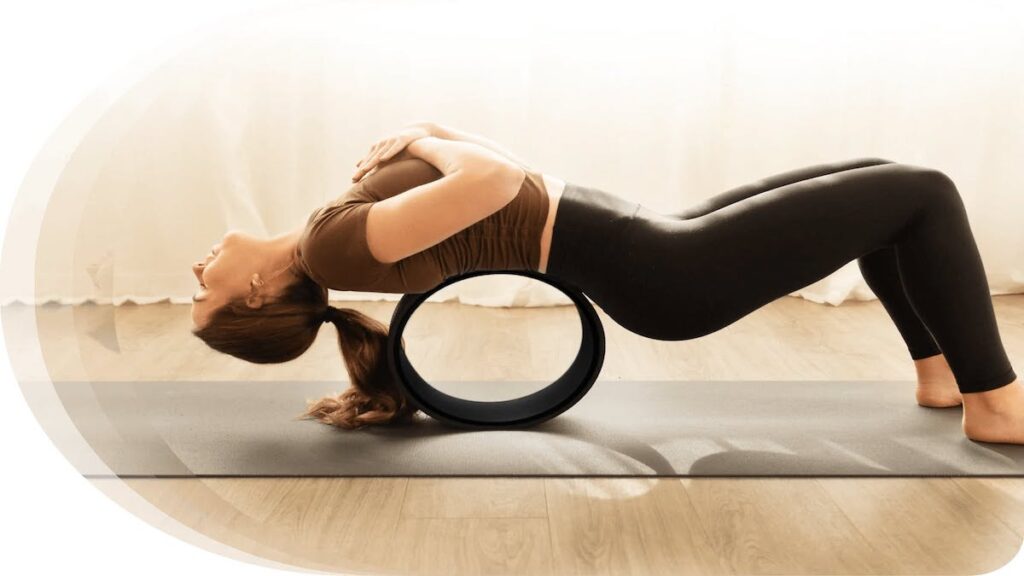
It’s important to make recovery a priority, especially since training often focuses on building strength, speed, and endurance. Foam rolling and mobility exercises are two of the simplest yet most effective ways athletes can stay healthy, improve flexibility, and boost recovery so they can perform at a higher level.
Foam rolling helps reduce muscle tension and tightness linked to intense workouts while improving circulation and blood flow. It can also soothe sore or stiff muscles. Mobility work goes a step further by improving joint movement, allowing athletes to use their full range of motion and perform at their best.
The Lotus Wheel is a recovery tool that combines foam rolling with assisted stretching to promote mobility and flexibility. This can support better movement mechanics, reduce injury risk, and improve recovery between training sessions.
SportStars tested the Lotus Wheel to see how it compares to traditional foam rollers, how well it aids recovery, and whether it’s truly worth the investment.
Lotus Wheel vs. Traditional Foam Roller: What’s the Difference?
The Lotus Wheel provides a deeper muscle massage, reaching areas that traditional foam rollers often can’t. This is thanks to its circular design, which allows it to fit more naturally around the spine, neck, and upper back.
Traditional foam rollers allow athletes to apply pressure and release tension in broader muscle groups, but they often struggle to target the back as effectively as the Lotus Wheel. This tool also facilitates a deeper stretch, making it especially useful for relieving tension in the back and chest.
Foam rollers are generally effective for treating the calves, hamstrings, quadriceps, glutes, and IT band. When comparing the Lotus Wheel in these areas, there isn’t a major difference. It can target those muscle groups as well, but athletes will likely benefit most from its ability to address the thoracic spine and other hard-to-reach areas.
While providing relief for larger muscle groups, the Lotus Wheel shines when it comes to targeting smaller, tighter areas with greater precision. This is one of the key features that sets it apart from traditional foam rollers.
It provides an excellent stretch for the back and neck while helping improve posture and increase mobility.
DESIGN
The Lotus Wheel features a patented design with an indentation that fits perfectly between the shoulder blades and hugs the spine. Diamond-textured foam on either side provides grip while rolling and allows for targeted pressure-point massage during guided stretching movements.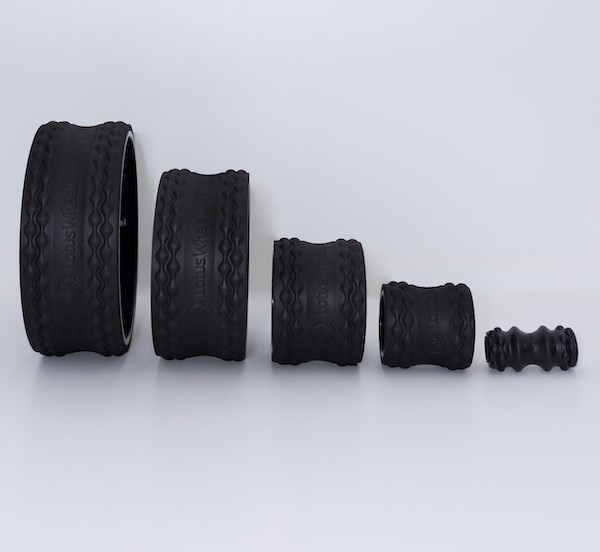

The Lotus Wheel is available in multiple sizes to suit different recovery needs. The premium five-pack is the best option for athletes who want access to the full range of sizes.
The largest 13-inch wheel is ideal for beginners who are just getting started with foam rolling and stretching. It works e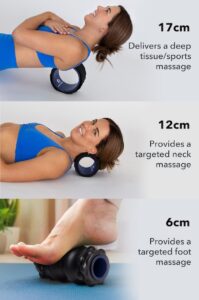

The 11-inch wheel is designed for athletes looking to target major muscle groups while also focusing on more specific areas such as the IT band. It also provides a moderately intense stretch.
The 7-inch wheel is intended for those seeking a deeper stretch and more intense pressure. It’s particularly effective for the hip flexors and hamstrings.
The 5-inch wheel is designed for the neck, while the 2-inch wheel is made specifically for the feet. This smaller wheel can be a game-changer for runners or anyone dealing with plantar fasciitis.
Compared to many larger recovery tools, all of the Lotus Wheels are compact and portable.
Usability, Comfort, and Performance: The Back Wheel
The Lotus Wheel is a highly effective post-workout recovery tool that offers the added benefit of mobility work while helping improve posture for athletes, students, and professionals who spend long hours sitting.
There is a slight learning curve when using the Lotus Wheel for the first time. While some basic foam-rolling knowledge is helpful, it isn’t required. Regardless, it’s worth watching the tutorial videos on the company’s website to learn how to pro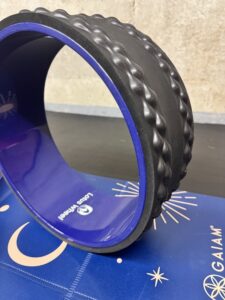

The largest 13-inch wheel is the best size to start with. However, the pressure can feel somewhat intense if you haven’t foam rolled before or haven’t done so in a long time. This is common with most foam-rolling tools, and athletes typically grow to appreciate the sensation over time. Start by leaning back gently and rocking back and forth.
If the pressure feels too intense, try using the 11- or 7-inch wheels against a wall. This reduces the intensity while still providing excellent relief after hard training sessions. It feels particularly effective on the mid-back following upper-body or back-strength workouts.
Athletes may also notice a nice abdominal stretch when targeting the back against a wall. This makes it a great tool for recovery after core workouts while also helping lengthen the spine and improve posture.
For those seeking a deeper stretch, the Lotus Wheel allows users to open up the chest and upper back significantly. Once athletes become comfortable moving through the full range of motion while rocking backward, the stretch feels incredibly rewarding.
Usability, Comfort, and Performance: The Neck Wheel
The neck wheel is a total game-changer.
After just one use, it became obvious how much tension had built up in my neck following a workout that included numerous shoulder exercises. Even without moving, the wheel provides a gentle yet deep stretch.
With a few small adjustments, athletes may experience natural neck releases and can deepen the stretch further by gently tilting the head from side to side.
Be sure to keep the chin slightly elevated while relaxing and breathing into the stretch. This wheel is easy to use and master, making it easy to spend several minutes simply lying there. It’s a great way to reconnect with your breath and body after an intense workout.
Usability, Comfort, and Performance: The Glutes and Thighs
It’s recommended to use the 7-inch or 5-inch Lotus Wheels for the glutes and thighs.
Sit in a figure-four position and roll gently from side to side to stretch and massage the glutes. This is particularly effective after a run, following a long day of sitting, after leg day at the gym, or when working to improve lower-body mobility.
It may take a few sessions to get accustomed to the deeper pressure applied to these muscles, but as with the back wheel, the payoff is worth it once your body adapts.
Usability, Comfort, and Performance: The Calve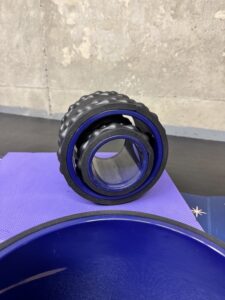
The 13-inch or 11-inch wheel is recommended for rolling out the calf muscles. In SportStars‘ opinion, the 11-inch wheel is the ideal size for releasing fascia and increasing blood flow to the lower legs.
Be sure to roll from the ankle up to just below the knee. Athletes in virtually every sport can benefit from foam rolling their calves.
It does require some upper-body strength to lift yourself off the floor, and the position can become uncomfortable on the wrists over time. Move slowly and take breaks as needed.
Usability, Comfort, and Performance: The Feet
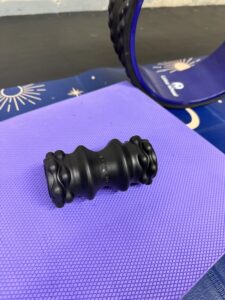
The smallest wheel, designed specifically for the feet, is a must-use. The tiny grooves and oval-shaped contours provide the perfect amount of pressure and hit all the right spots.
Athletes in all sports can benefit from rolling their feet, especially runners or those prone to foot injuries such as plantar fasciitis.
This wheel can be used while sitting or standing, making it easy to incorporate into daily activities like doing homework, working at a computer, or watching television. Simply glide your feet back and forth with steady pressure to release tension and improve circulation.
Pros
Athletes can easily experience a greater sense of openness in the upper body, effectively massage the feet, and target smaller muscle groups with the Lotus Wheel.
This recovery tool combines a self-massager, foam roller, and mobility/flexibility device into one product. Its versatility provides excellent value, and its durable construction supports up to 500 pounds, making it built to last.
Its unique design fits comfortably around the shoulders and spine while helping improve alignment and posture.
The five-wheel pack offers an option for every recovery need, whether you’re looking to relax, improve mobility, or target specific muscles with a deeper massage.
Cons
There is a learning curve when it comes to using the Lotus Wheel properly. Even using the larger or medium-sized wheels against a wall requires some coordination, so be patient while learning the proper techniques.
The next challenge is getting accustomed to the pressure. Some users may find the smaller wheels too intense, especially when targeting sensitive or particularly tight muscle groups.
Whether you’re recovering from a hard workout, improving mobility, or simply looking to move and feel better, the Lotus Wheel proves to be a worthy addition to any athlete’s gym bag.
The Lotus Wheel 5-pack is currently on sale using the code: MOBILITY.