






5 Reasons High School Runners Need Spikes This Season
BlogOutdoorProduct Reviews/Top Ten Lists/Resources/TipsRunningStaffPicksXC-Track-Running September 1, 2026 Lauren Keating 2
With the start of the high school cross country season athletes are setting new goals and searching for new shoes. But one question that comes up at practice every single year is, “Do I actually need spikes for cross country?”
If you’re stepping up from middle school racing, or wondering if its worth purchasing, here’s the real answer: for most high school courses, spikes aren’t a luxury — they help athletes by giving them competitive edge. We break down the reasons why spikes are a necessity for your freshman season.
1. High School Courses Need Traction
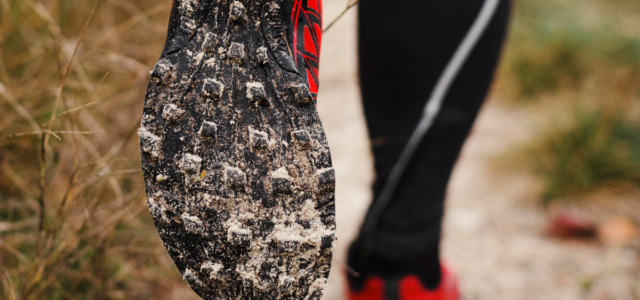
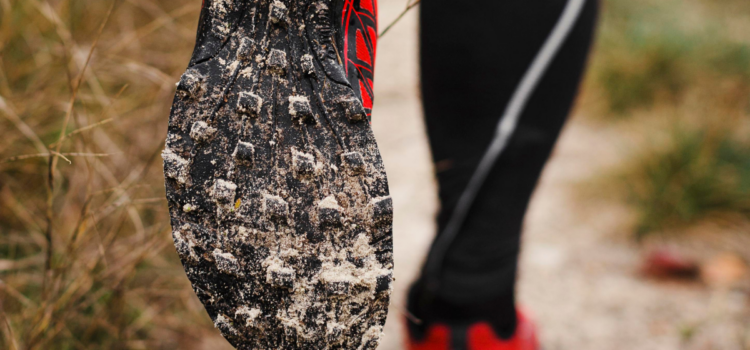
Unlike the track you trained on all summer, varsity and JV cross country courses are designed to test you. Think wet grass, slick hills, loose dirt, muddy switchbacks, and terrain that get chewed up after 200 runners have already gone through on race day.
A daily trainer’s outsole just wasn’t built to grip that kind of terrain. Spikes are.
2. Every Second Counts at the High School Level
The last thing you want to is to be slipping around on the course, which means slowing the pace. At the high school level, races are often decided by seconds, not minutes — team scoring, regional qualifying times, and personal records all hinge on tight margins.
While they have the grip needed to keep your pace, spikes are are lighter and more responsive than trainers, which means less wasted energy with every stride. On a level course, that difference adds up fast.
3. Downhills Are Part of Your Strategy Instead of a Risk
Nothing kills momentum like sliding out on a downhill because your shoes can’t hold the ground. With spikes, downhills go from “survive it” to “attack it.” That’s a real advantage on hilly regional and state courses. There is no slowing down when others struggle, especially in inclement weather.
4. They Keep You Competitive When Conditions Turn Bad
This leads right into the next point: rain-soaked courses are a fact of life in high school cross country. Since there is no escaping it, spikes allow runners to keep footing and pace when the field turns muddy.
5. They Build Confidence for Championship Racing
By the time regionals and state roll around, you want your gear to be one less thing to think about. Runners who’ve trained and raced in spikes all season toe the line knowing exactly how their shoes will perform — no surprises, no second-guessing, just racing. Just keep in mind that spikes should be broken in during practice, not at early season meets.
PRO TIP: Know Your Pin Length Before You Race
Not all spikes will work for every runner. Pins come in different lengths, and most high school leagues have rules about what’s allowed. This includes:
- Standard cross country races: ¼-inch (6mm) pins are typically the safe, standard choice for grass and dirt courses and are accepted at most high school meets.
- Muddy or soft courses: Some runners go slightly longer — up to ⅜-inch (9mm) — for extra bite, if their league permits it.
- Check with your coach or meet officials first. Rules can vary by state association and even by course, and showing up with the wrong pin length can mean a last-minute scramble (or a trip back to the car for pliers). Most spikes come with a small wrench so you can swap pins in and out easily — keep it in your spike bag all season.
When in doubt, ¼-inch pins are the safest default for a first pair.
But Do You Need Them Right Away?
Not every high school runner needs spikes on day one. If you’re new to the sport, ease in:
- Practice in them before race day. Never debut spikes cold at a meet — break them in during workouts first to avoid blisters or calf and Achilles soreness.
- Match them to your course. Muddy, hilly, or soft-terrain courses → spikes are worth it. Dry, hard-packed, or road-adjacent courses → a spikeless “waffle” racing flat performs just as well.
- Check your league’s rules. Some school districts restrict metal pins — spikeless XC waffle shoes exist for exactly this reason.
- Talk to your coach. They know your course schedule and can help you decide if — and when — to make the switch.
What Spikes To Buy
Budget pick: Nike Zoom Rival XC 7 (~$75)
The shoe most coaches recommend for a first spike. It’s affordable and built to get high schoolers new to cross country comfortable in spikes fast — cushioned midsole, secure fit for uneven ground, and a wider forefoot for a natural feel.
Top-of-the-line pick: Nike ZoomX Dragonfly XC 2 (~$190)
The choice for varsity runners chasing PRs. Built with Nike’s ZoomX foam and a full-length Pebax plate for serious energy return, it’s lightweight, efficient, and made for runners racing to win on tough terrain.

Ingrid Halvorsen
September 3, 2026 #1 AuthorSpikes can definitely make a huge difference in performance, especially on those wet tracks! interesting find
Desmond Achebe
September 4, 2026 #2 AuthorReally interesting take on the importance of traction for high school runners. I hadn’t considered how different surfaces could affect performance so much! recommended